
Roof coatings can extend the useful life of some roofing systems, but they are not a universal fix. For homeowners in Hilton, NY, the decision depends on the roof’s material, age, slope, drainage, existing damage, and ability to withstand repeated freeze-thaw cycles.
A coating is a fluid-applied layer placed over an existing roof surface. Once cured, it forms a membrane intended to reduce water penetration, reflect sunlight, seal small surface defects, or protect the underlying roofing material. The result can be useful, but only when the existing roof is structurally sound and properly prepared.
What does a roof coating actually do?
A roof coating adds a protective layer over the roof rather than replacing the roof assembly underneath. Depending on the product and roofing system, it may help:
- Reduce minor surface water entry
- Protect roofing materials from ultraviolet exposure
- Seal small cracks, seams, and fastener areas
- Improve reflectivity during sunny weather
- Slow surface wear and weathering
- Extend the service period of an aging but serviceable roof
Roof coatings are most commonly associated with low-slope or nearly flat roofs, although some products are designed for other roof types. They are not intended to correct major leaks, rotten decking, widespread blistering, structural movement, or severe material deterioration.
A coating should be viewed as a protective maintenance layer, not as a substitute for a structurally necessary roof replacement.
What are the main advantages?
The strongest benefit is that a coating may extend the life of an existing roof without removing every roofing layer. That can reduce the amount of material sent to a landfill and may avoid some of the disruption associated with a complete replacement.
Other potential advantages include:
Lower material removal
A coating is applied over the existing surface when conditions allow. This may reduce tear-off waste, although damaged materials still need to be removed before coating.
Improved water resistance
A continuous coating can cover small surface openings and reinforce vulnerable areas around seams, penetrations, and transitions. This is most useful on roofs where water tends to remain on the surface longer.
Reflective performance
Some light-colored coatings reflect more solar radiation than dark roofing materials. This can reduce heat absorption during sunny periods and may help moderate temperatures in roof assemblies with suitable ventilation and insulation.
Fewer visible seams
A properly applied fluid membrane can create a more continuous surface than some older systems made up of multiple overlapping sheets or exposed seams.
Possible maintenance extension
If the roof is fundamentally sound, coating may delay replacement by protecting the existing material from further weathering. The actual service period varies widely based on the coating, application thickness, roof condition, drainage, and exposure.
What are the disadvantages and limitations?
The largest misconception is that a roof coating can repair any aging roof. It cannot. Coating over active leaks, wet insulation, unstable membranes, or deteriorated decking can hide problems while allowing damage to continue below the surface.
It does not fix structural problems
A coating cannot restore sagging decking, damaged rafters, rotten wood, loose flashing, or inadequate roof framing. If water has reached the structural components, the source and damaged materials must be addressed separately.
Preparation is demanding
The roof generally must be dry, clean, sound, and free of contamination that would prevent adhesion. Dirt, moss, loose granules, grease, failed sealants, and peeling material can interfere with the finished membrane.
Preparation may involve repairs, cleaning, seam treatment, and moisture checks. Skipping those steps is a common reason coatings fail prematurely.
Weather affects application
Many coatings require suitable temperatures and dry conditions during application and curing. Hilton experiences cold winters, snow, ice, spring moisture, and rapid temperature changes. Applying a coating too close to freezing conditions or before the roof has dried can create adhesion and curing problems.
A coating may perform well after installation but still be vulnerable if water repeatedly freezes in cracks, backs up at blocked drainage points, or moves beneath an improperly sealed edge.
Ponding water remains a concern
Roof coatings can improve water resistance, but they do not automatically correct poor drainage. Water that remains on a low-slope roof for extended periods can stress seams, encourage biological growth, and expose weaknesses in the membrane.
Drainage paths, roof edges, scuppers, gutters, and downspouts need attention before a coating is considered. A coating applied over persistent ponding may have a shorter service life than expected.
Appearance may not be uniform
A coated roof can show variations in texture, color, thickness, or repaired areas. Older roofing materials may also telegraph through the coating. For homeowners expecting the appearance of a newly installed roof, coating may be disappointing.
Future repairs can be more complicated
After coating, locating the original seam or repair area may be harder. Some replacement materials, sealants, or adhesives may not bond properly to the coated surface. Records showing the coating type and application date can make later maintenance easier.
Which roofs are good candidates?
A roof may be a reasonable coating candidate when:
- The underlying roof is structurally sound
- Leaks are limited, understood, and repairable
- The surface is dry and firmly attached
- Flashing and edge details are in usable condition
- Drainage is functioning properly
- The roof has enough remaining service life to justify the work
- The coating is compatible with the existing roofing material
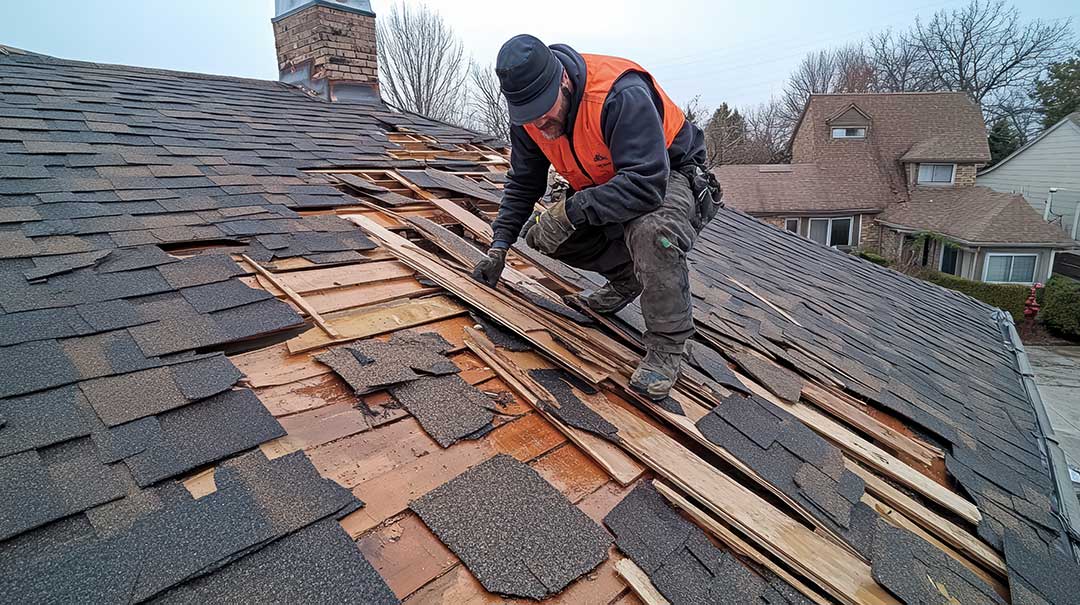
A roof is generally a poor candidate when it has widespread leaks, wet insulation, severe blistering, extensive rust, soft decking, loose sections, major membrane separation, or repeated drainage failures.
The roof’s age alone does not answer the question. An older roof in stable condition may accept a coating, while a newer roof with hidden moisture or structural damage may not.
Are roof coatings suitable for homes in Hilton?
They can be, but local weather makes inspection and preparation especially significant. Snow accumulation, ice formation, wind-driven rain, leaf buildup, and freeze-thaw movement can expose weaknesses that may not be obvious during a dry inspection.
Homes with low-slope additions, porch roofs, garages, and outbuildings may have different roofing concerns than homes with steeply pitched shingle roofs. A coating designed for one roof assembly should not automatically be used on another.
Seasonal timing also matters. The roof needs enough dry, moderate weather for surface preparation and curing. A coating that remains uncured during a sudden cold or wet period may not form the intended membrane.
Can a coating stop an existing leak?
Sometimes it can help with a small, clearly identified surface leak, but coating alone should not be treated as a dependable leak repair. Water can travel beneath roofing materials before appearing inside, so the visible stain may be far from the entry point.
Active leaks should be traced and repaired before broad coating work begins. Wet insulation or decking may need to be removed because a surface layer cannot dry concealed moisture trapped below it.
How long do roof coatings last?
There is no single lifespan that applies to every coating. Performance depends on the product, thickness, roof material, preparation, installation conditions, drainage, foot traffic, snow and ice exposure, and maintenance.
A coating may require periodic inspection and localized repair. Areas around vents, skylights, chimneys, roof edges, fasteners, and drainage openings often deserve extra attention. A coating system should be evaluated as part of routine roof maintenance rather than treated as maintenance-free.
What should homeowners check before deciding?
Before choosing a coating, ask practical questions about the entire roof assembly:
- What is causing current leaks, if any?
- Is the decking dry and structurally sound?
- Is insulation holding moisture?
- Does water drain away within a reasonable time?
- Is the coating compatible with the existing material?
- What surface preparation is required?
- What weather conditions are needed for application?
- How will future repairs bond to the finished surface?
- Are roof access and foot traffic likely to damage the membrane?
- Would replacement be more appropriate because the roof is near the end of its serviceable life?
The most reliable decision comes from comparing the roof’s remaining condition with the coating’s limitations. A coating can be a useful preservation measure for the right roof, particularly where the underlying materials remain sound. It becomes a poor investment when used to conceal deterioration that requires repair or replacement.
