
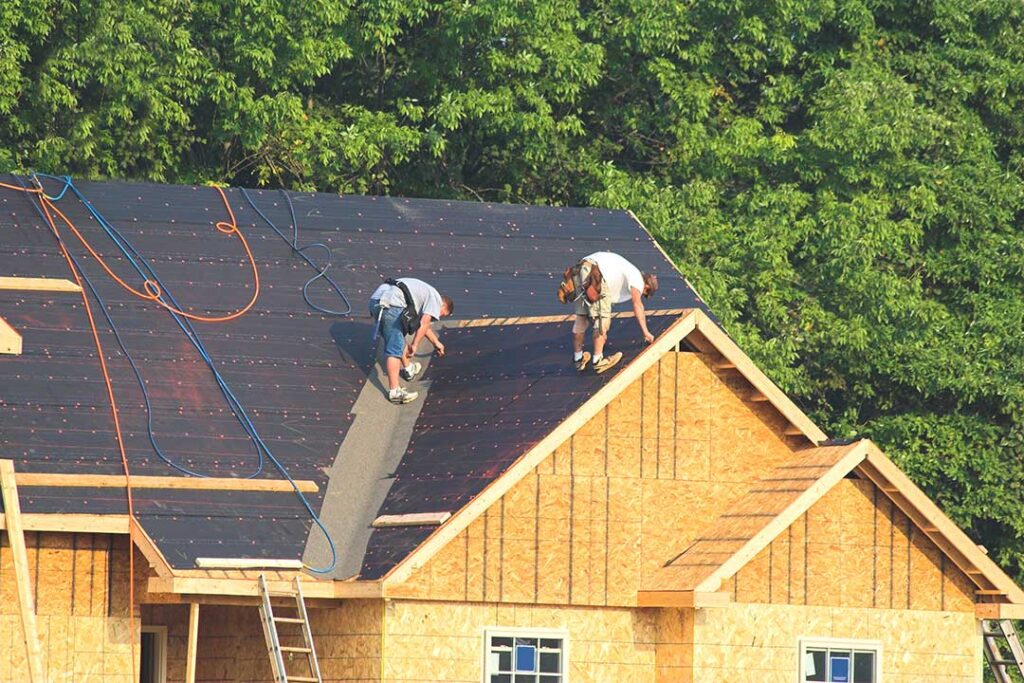
What Is Roof Decking and Why Does It Matter in Hilton, NY Homes?
Roof decking is the wooden foundation that supports the shingles and underlayment of most residential roofs. In Hilton, NY, where severe winter snow loads and seasonal rain are common, the stability and health of this wood layer directly impact the roof’s durability, insulation, and safety.
In local homes, roof decking typically consists of plywood or oriented strand board (OSB). This hidden surface is the backbone of the roof’s structure. When it starts to fail, repairs or replacement often become more complex and costly than early maintenance.
What Are the Common Warning Signs of Roof Decking Problems?
A roof’s decking is not visible from outside, so most signs of trouble show up as indirect symptoms. Area residents should stay alert for:
- Sagging or uneven rooflines—visible from the ground—which can indicate weakened decking unable to support its original weight, especially after several freeze-thaw cycles common in Hilton’s climate.
- Spots of water damage or stains on interior ceilings or upper walls. These often appear after a local heavy rainstorm or snowmelt, signaling that water is seeping through roofing materials and saturating the decking below.
- Persistent musty odors in the attic or upper floors, a sign of trapped moisture affecting the wooden structure.
- New or worsening creaks, pops, or bending sounds coming from the attic, particularly after wind or precipitation events.
How Does Local Weather in Hilton, NY Affect Roof Decking Health?
Harsh winters, frequent snow accumulation, and periods of high humidity in Hilton make roof decking especially vulnerable compared to regions with milder, dryer weather.
- Snow adds significant weight, potentially stressing decking, especially if ice damming develops along the eaves.
- Freeze-thaw cycles can force water into small surface cracks, then expand and contract, deepening any damage.
- High summer humidity slows drying time for any moisture that does get in, increasing the chance of wood rot or mold.
In homes without proper attic ventilation, these local climate factors can accelerate the deterioration of wood components, even without a direct roof leak.
Can Leaks Go Undetected Until Decking Is Compromised?
Yes, leaks can be surprisingly elusive, especially in older Hilton homes with insulation directly beneath the decking. Small or intermittent leaks may not lead to immediate indoor puddles or stains, but the moisture trapped in the wood can add up over months or even years.
Area residents may misattribute minor ceiling spots or peeling paint to condensation rather than ongoing seepage. Even small attic leaks—often only visible during snowmelt or driven rain—can eventually destroy decking if left unaddressed.
What Are Signs Seen From the Attic That Decking Needs Attention?
Checking the attic periodically provides one of the best chances to spot problems early. Warning signs to look for inside include:
- Dark stains, spots, or rings on the underside of the decking boards, often around nails or seams. In Hilton, this is a common sight after especially wet seasons.
- Areas of wood that feel soft or spongy to the touch (wear gloves and step only on secure joists for safety).
- Mold, mildew, or persistent moisture. Mold may appear as green, black, or white fuzzy patches, especially in corners or where insulation touches the decking.
- Visible daylight through the boards or around flashing, suggesting gaps where moisture and cold air are entering.
How Quickly Must Decking Problems Be Addressed in This Area?
In the city’s variable climate, delaying attention to decking issues can cause an isolated problem to expand rapidly—especially once freezing temperatures or additional precipitation arrive. Damaged decking can worsen during a single winter freeze, especially if there’s already minor rot.
If signs like sagging, soft spots, or recurring water stains appear, residents should take measures to address moisture sources as soon as possible. Letting a problem linger can increase the risk of structural damage or even partial roof collapse, particularly on older homes or those with complex roof lines.
Are There Signs Often Mistaken for Decking Problems?
Not every roof issue means the decking is compromised. For example:
- Moss or algae growth on shingles looks concerning but often signals surface moisture retention rather than deep wood damage underneath.
- Isolated missing or cracked shingles after windstorms may not have affected the decking unless accompanied by longer-term leaks.
- Attic drafts or cold spots are more often caused by ventilation or insulation gaps than by issues in the structural decking.
Still, it’s common for small issues to mask bigger ones, especially in homes where roof age or prior repairs are unclear.
What Preventative Steps Reduce the Need for Emergency Decking Repairs?
Routine roof maintenance is the most effective way to minimize surprises. Practical steps for area households include:
- Inspecting attic spaces for moisture, stains, or musty smells at least once each season, particularly after storms or snow melts.
- Clearing gutters to help channel water away from edges and reduce the risk of ice dams in winter.
- Monitoring for icicle buildup, which often signals poor drainage and may speed up decking deterioration.
- Ensuring adequate attic ventilation and insulation, which helps maintain wood dryness during wet or humid months.
Most importantly, addressing minor leaks or spot repairs when first observed can often preserve decking before major damage can occur.
When Is It Unsafe for Residents to Address Decking Issues Themselves?
Major structural failures—such as sections of the roof visibly bowing, feeling unstable underfoot, or showing widespread water damage—warrant caution. Entering an attic with severe mold, obvious rot, or signs of collapse can be dangerous due to the risk of falls or exposure to contaminants.
In these cases, the priority is safety. Efforts to inspect or repair the area should be postponed until it’s clear the space is stable and safe to access.
