

Why Pay Attention to Roof Protection During Renovations?
Renovations can put unexpected stress on roofs, especially in older homes common in Hilton, NY. Dust, debris, vibration, and even weather exposure are genuine concerns. Without proper precautions, a home improvement project can lead to leaks, insulation damage, or shortened roof lifespan—all issues that are often costlier to fix after the fact than to prevent.
What Are the Biggest Risks to Your Roof During Renovations?
The most common risks residents face when remodeling include:
- Accidental punctures from ladders, tools, or dropped materials.
- Vibration from heavy machinery or demolition that can loosen shingles or flashing.
- Debris build-up in gutters, leading to drainage problems.
- Unsealed areas, making the roof vulnerable to local rain or snow.
- Chemical spills from paint, solvents, or adhesives.
In Hilton, snow or wind-driven rain can further increase the risk if temporary roof openings aren’t well-protected. Even in milder seasons, pollen and leaf debris can accumulate rapidly if neglected.
How Can You Safeguard Your Roof Before Renovation Work Begins?
Preparation is the strongest defense. Identify which areas of the roof will be affected by the planned work and clarify with your contractor or builder exactly where roof access or exposure might occur.
- Inspect the roof for pre-existing damage—such as loose shingles or small leaks—to ensure issues aren't made worse.
- Consider gutter guards or temporary covers to keep construction debris out.
- Confirm that all heavy equipment and traffic are planned to avoid the roof, unless absolutely necessary.
- Ask to use walk boards or padded supports if roof access can't be avoided.
For larger projects with roof exposure (like additions or skylight installations), ensure suitable tarps are on-site and anchored, ready for unexpected weather or overnight pauses.
What Are Practical Ways to Protect the Roof During Work?
Physical protection should match the renovation’s scope:
- Place protective tarp or sheeting directly over areas below roof work, especially in attics, to catch stray debris or dust.
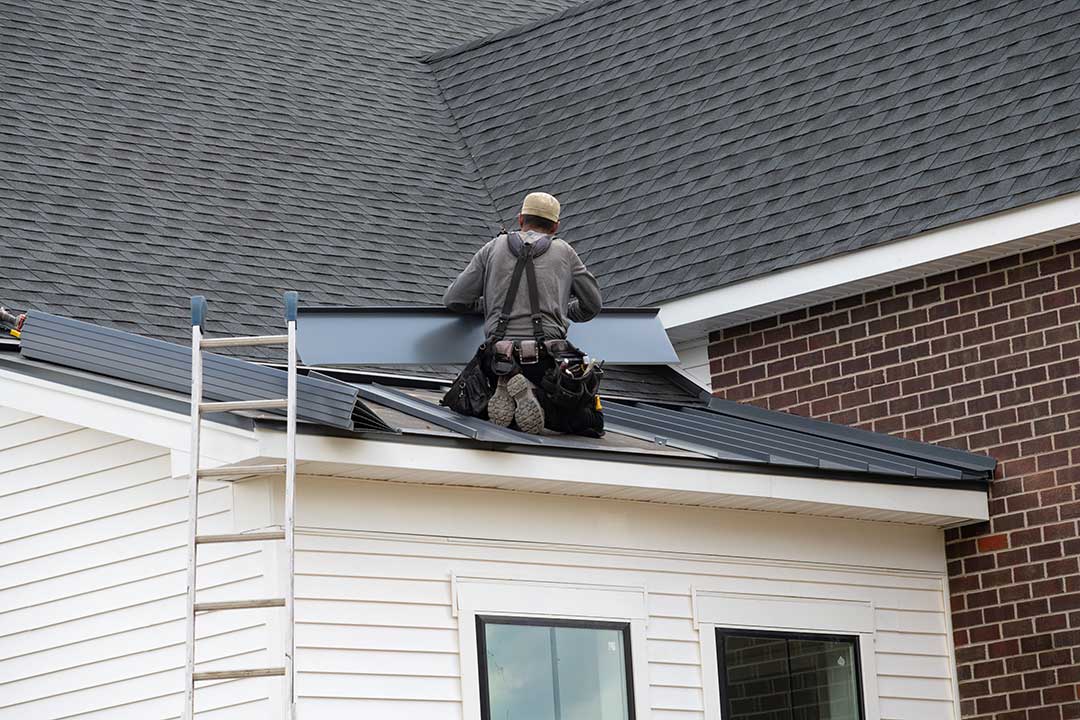
- If contractors need to walk on the roof, request temporary protective boards or foam pads to distribute weight and minimize damage.
- Always keep ladders and scaffolding off the gutter edges to prevent bending or pulling.
- Remind everyone on-site to avoid storing heavy supplies, tools, or waste on the roof.
Removing downspout extensions temporarily can help prevent clogs—but remember to reinstall them promptly to preserve proper drainage, especially if a rainstorm threatens.
What Local Climate Factors Should Residents in Hilton, NY Consider?
Hilton’s varied seasons bring unique complications:
- Spring and fall can mean heightened leaf, pollen, and twig build-up in gutters and valleys while work is ongoing.
- Winters are known for snow and ice, which can slip inside unsealed or partially open roof areas, leading to water damage during thaws.
- Sudden summer thunderstorms require quick-action weatherproofing, such as pre-cut tarps and fasteners.
Area homes with older attics or rooflines may also be more vulnerable to insulation damage from construction dust or moisture intrusion, requiring extra protective lining or plastic film during interior renovation steps.
What Are Common Misconceptions About Roof Durability During Remodels?
Many residents assume that a roof—especially one less than 10 years old—doesn’t need extra protection, but localized impacts from tools or unforeseen leaks can harm even newer roofing. Another misconception is that interior-focused renovations don’t threaten the roof. However, attic work or even extensive painting can stir up insulation dust or create condensation that affects the roof deck.
It’s also easy to underestimate how much debris can collect in gutters and valleys over just a few days of work.
How to Check for Roof Issues After Renovation?
After construction wraps up, give your roof a thorough check:
- Walk around the home to spot any visible shingle damage, missing flashing, or gutter clogs.
- Check the attic for new water stains, sunlight through the roof deck, or insulation out of place.
- Ensure all temporary protections—like tarps, guards, or covers—are removed.
- Inspect driveway and walkways for lost nails or sharp debris washed down from the roof.
Address minor issues right away, before they become bigger problems in Hilton’s next round of rain or snow.
What Role Do Local Building Codes and Weather Play?
While most home renovations in Hilton do not require specific permits for roof protection alone, any changes involving the roof structure or exterior often must comply with municipal codes. For major projects, always check whether local rules require engineered drawings or inspections—especially if adding dormers, skylights, or changing rooflines.
Since area weather can be a wildcard, plan roofing and exterior work for months with drier forecasts, and always have rapid-deployment covers ready.
