

Why Would Residents Need to Walk on a Roof?
Sometimes local homeowners find it necessary to access their roofs—for tasks such as inspecting after a storm, checking for missing shingles, or cleaning gutters. While it can seem straightforward, even a low-slope roof poses real risks if approached casually. Understanding and preparing for these risks is essential to safely navigate residential roofing.
What Types of Roofs Are Most Common in Hilton, NY and What Should Residents Watch For?
Most houses in Hilton have pitched, asphalt-shingle roofs with varying slopes. Regionally, roofs often feature moderate pitches to help shed snow and rain efficiently. Slippery granules, loose shingles, leaf debris, and damp or icy spots are especially common hazards. In spring and fall, early morning dew or frost turns even a gentle roof into a slipping hazard. Before considering any step onto the roof, visually assess for these risks from the ground.
What Are the Primary Dangers of Walking on a Roof?
Falls are the most serious risk, leading to injury or worse, even from single-story heights. Structural weaknesses, such as rotten decking or hidden soft spots under shingles, can give way unexpectedly. Additional dangers include:
- Damaging shingles or flashing while walking, which can cause leaks later
- Losing balance due to uneven surfaces or loose granules
- Slipping on wet, mossy, or icy patches
Glancing upward, a roof may appear even and safe, but subtle hazards can catch even cautious residents off guard.
How Can You Prepare for Accessing a Roof Safely?
It's best to approach any roof work as a planned process rather than on impulse. Before climbing up:
- Choose a day with dry, calm weather—avoid any attempt during rain, snow, high winds, or right after a freeze.
- Wear rubber-soled shoes or boots with clean, soft tread.
- Use gloves with a non-slip grip.
- Dress in fitted clothing to avoid snagging.
On a household level, check that your ladder is sound and properly sized. Position it on firm, flat ground and extend at least three feet above the roof edge for secure handholds.
What’s the Safest Way to Use a Ladder to Access a Roof?
Set your ladder at a 4:1 angle: For every four feet of vertical height, the base should be one foot from the wall or eave. Use a spotter if anyone is available to stabilize the base. Never climb with tools in your hands. Keep three points of contact at all times—two feet and a hand, or two hands and a foot.
Avoid leaning over to step onto a sloped roof. Step off onto a flat or low-pitched area when possible, facing your body toward the ladder.
Are There Ways to Reduce Roof Walking Risks for Hilton Residents?
Minimize actual time on the roof whenever possible. If the inspection or chore can be done with a long-handled tool from a ladder, choose that. Always walk on the lower third of the roof, as close to the edges as possible—but never within a couple feet of the eave itself, which is usually less structurally strong.
For pitched roofs in the area, move slowly and work across one course of shingles at a time. Plant your foot flat, with your weight over the center of the shingle, moving only when you feel balanced.
What Should Homeowners Bring Onto the Roof?
Bring only necessary tools, and carry them in a soft, hands-free pouch. Consider:
- A charged cell phone tucked securely in clothing in case of emergency
- Minimal hand tools that don’t require loose hardware (to avoid slipping hazards)
- A small broom or brush for clearing debris before taking each step
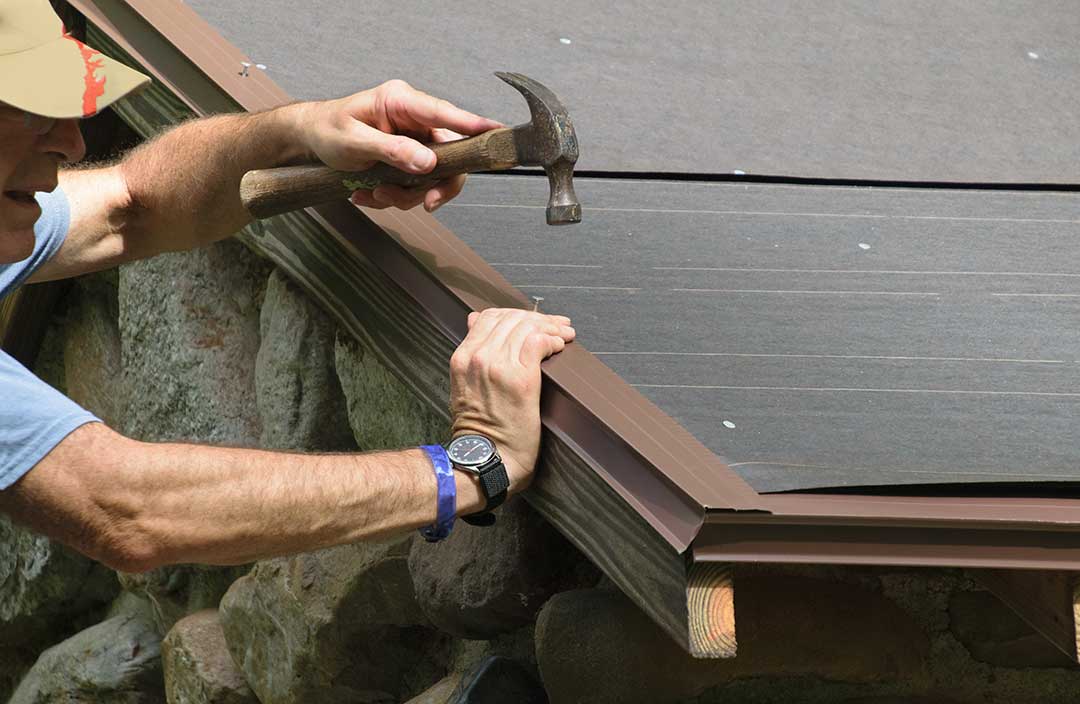
Do not bring extension cords, large tools, or cleaning products that could spill and increase slip risks.
Are Safety Devices Worthwhile for Basic Household Roof Tasks?
While harnesses and roof brackets are standard for construction, most household chores don’t justify industrial gear. However, a basic roof anchor and safety rope can add an extra level of protection, especially for tasks like clearing branches after storms or checking flashing near the ridge.
Any time access involves heights greater than a single story, or the job requires moving near the roof peak, it's safer to use a personal fall arrest system rated for residential work.
What Are the Most Common Mistakes Locals Make When Attempting to Walk on a Roof?
Residents often underestimate both the pitch and slipperiness of their own roofs—especially after light rain, storms, or freeze-thaw cycles. Another common issue is stepping too close to the edge or directly onto roof valleys, which can be more slippery and structurally weaker than surrounding areas. Carrying too much, working in a hurry, or becoming distracted by a phone can all result in hazardous situations.
When Is It Best Not to Attempt Roof Access Yourself?
While many roof tasks can be managed with care, some situations are best left alone, including:
- Signs of major rot, sagging, or spongy decking viewed from below or the attic
- Roofs steeper than 8:12 pitch (about 33 degrees)
- Extremely high or multi-story roofs
- After heavy snow accumulation or ice storms
In these cases, the risk outweighs the benefit for most local households.
What Alternatives Are There to Walking Directly on the Roof?
Many seasonal chores can be accomplished using a sturdy ladder and telescoping tools, such as gutter cleaning wands or drone cameras for roof inspections. For visual checks, high-resolution photographs from the ladder top can capture damage or debris without risking a walk.
