
Replacing only part of a roof can preserve sound materials and reduce waste, but matching the new shingles to the existing roof is rarely as simple as choosing the same color name. Age, weather exposure, manufacturing changes, and installation patterns all affect how well replacement shingles blend into the roof.
In Hilton, NY, seasonal weather can make these differences more noticeable. Sun, snow, wind, ice, moisture, and repeated freeze-thaw cycles gradually change the appearance and condition of roofing materials. A careful matching process should consider both appearance and performance.
Can replacement shingles ever match perfectly?
Usually, no. A close match is possible, but an exact match may be difficult even when the replacement shingles have the same brand, color name, and product line.
Asphalt shingles change over time. The exposed surface may fade, darken, lose granules, or develop streaking from moisture and organic growth. The newer shingles may look brighter, sharper, or slightly different in texture because they have not experienced the same weathering.
Color variation can also occur between manufacturing runs. Roofing products may be made at different times or facilities, and small differences in mineral granules or asphalt blending can affect the finished appearance.
A realistic goal is not perfect invisibility. The goal is a replacement area that is compatible, securely installed, and visually reasonable from normal viewing distances.
What information is needed to identify the existing shingles?
The most useful starting point is the roof’s original documentation, if it is available. Packaging, invoices, warranty papers, and building records may list the manufacturer, product line, color, and installation date.
If those records are unavailable, inspect the shingles for identifying clues:
- Manufacturer names or logos may appear on the underside or along the exposed edge.
- Product markings may be printed on the back of some shingles.
- The shingle profile can help identify whether it is architectural, three-tab, or another style.
- The exposure and dimensions may narrow the possibilities.
- Color should be compared using a clean, protected section rather than a weathered surface alone.
- The roof’s approximate age can help determine whether the product is still being made.
A loose shingle from a repair, roof edge, attic storage area, or previous project can provide a better sample than a photograph. However, removing material from an undamaged roof section can create unnecessary risk and should not be done casually.
Why does the same shingle color look different?
Shingle color is influenced by more than the printed name on the package. Lighting, roof slope, viewing angle, weathering, and surrounding materials all change how the roof appears.
A sample viewed on the ground may look different once installed on a sloped surface. Wet shingles often appear darker than dry ones. Bright sunlight can emphasize color variation, while overcast conditions may make the roof look more uniform.
The existing roof may also have uneven exposure. Sections near the ridge, eaves, valleys, and south- or west-facing slopes often weather differently from shaded areas. A color sample from one section may not represent the appearance of the entire roof.
For a more useful comparison, examine samples outdoors under several conditions:
- Morning and afternoon light
- Dry and damp conditions
- Viewing from the street and from nearby ground-level locations
- Different roof slopes, if the home has more than one
The comparison should include texture and pattern, not just color. Architectural shingles, for example, may have varying shadow lines and laminated sections that are difficult to duplicate with a flatter profile.
Is it possible to match shingles that are no longer manufactured?
Sometimes, but the alternatives require careful evaluation. A discontinued shingle may be available through leftover inventory, salvage from another roof, or unused material stored from the original installation. These sources can provide a closer visual match, but old shingles may be brittle, damaged, or unsuitable for installation.
If the original product is unavailable, the replacement should generally match the existing material in several ways:
- Shingle type and profile
- Approximate dimensions
- Exposure length
- Wind-resistance rating
- Fire classification
- Compatibility with the roof’s underlayment and flashing details
- Installation requirements
A visually similar shingle is not automatically a technically suitable substitute. Mixing products with different dimensions or fastening zones can create alignment problems and may affect the roof’s ability to shed water and resist wind.
Should a small damaged area be repaired or should the whole slope be replaced?
The size and location of the damage matter. A small number of damaged shingles may be repairable if matching material can be found and the surrounding shingles remain flexible enough to work without cracking.
A larger repair may be more noticeable, especially if the roof has weathered unevenly. Replacing a whole roof slope can create a more consistent appearance than scattering new shingles across an older surface, but it also involves more material, labor, and disposal.
Damage near valleys, roof edges, penetrations, and flashing deserves extra attention because those areas manage water movement. A repair that addresses only the visible shingle may not resolve an underlying leak.
In a climate with snow, ice, wind, and freeze-thaw conditions, the decision should account for the remaining serviceability of the surrounding shingles. If nearby materials are brittle, losing granules, curling, or repeatedly failing, a small patch may be temporary rather than a durable solution.
What common matching mistakes should homeowners avoid?
Several shortcuts can lead to poor results or premature failure.
Matching by color name alone: Two products with similar names may have different profiles, dimensions, or patterns.
Using a photograph as the only reference: Cameras can change color, and photographs rarely show texture or granule distribution accurately.
Installing new shingles over badly weathered material: The new shingles may not sit flat if the underlying layers are distorted or deteriorated.
Ignoring roof slope: Shingles intended for one slope or exposure may not perform properly when substituted elsewhere.
Assuming leftover shingles are still usable: Stored material can become brittle, warped, or damaged by heat and moisture.
Mixing incompatible products: Different shingle systems may have different fastening instructions, sealant locations, and installation requirements.
Repairing without checking for hidden moisture: A visible stain or damaged shingle may be the symptom of a problem involving flashing, ventilation, decking, or underlayment.
How can a repair be made less noticeable?
The replacement area is often less visible when shingles are distributed thoughtfully rather than placed in one sharply defined block. However, shingles should never be arranged in a way that violates the manufacturer’s installation instructions or creates weak points.
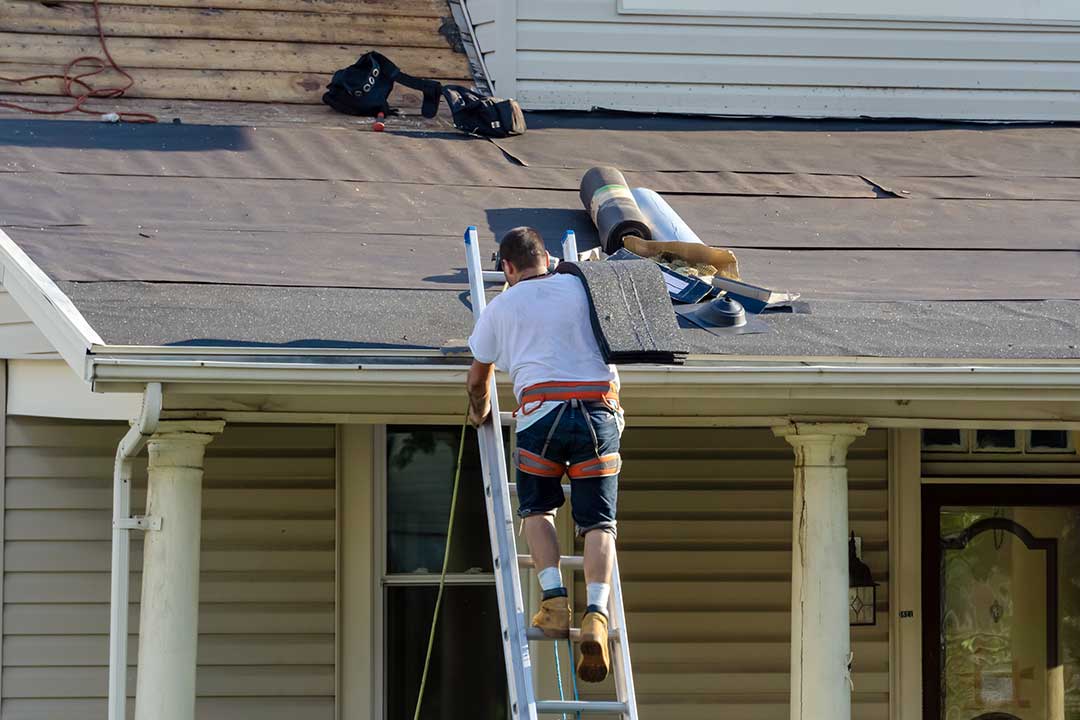
A proper repair may involve carefully removing damaged shingles, preserving nearby materials, replacing compromised fasteners, and ensuring that the replacement shingles align with the existing courses. Sealant strips may need time and suitable temperatures to bond correctly.
For homes with a prominent roof slope, color blending may be more noticeable from the street. A sample layout can help reveal whether the proposed material looks acceptable before a larger repair is started.
The roof should also be inspected from the attic or interior side when water entry is suspected. Matching the visible shingle does not correct wet insulation, damaged decking, or concealed moisture.
When is exact matching less important than full roof condition?
If the roof is near the end of its useful life, repeated spot repairs may provide limited value even when a close shingle match is available. Widespread granule loss, cracking, curling, sagging, exposed fasteners, recurring leaks, or deteriorated flashing suggest that the broader roof system deserves evaluation.
A new repair should not be judged only by how well it blends visually. The more important questions are whether the materials are compatible, whether the installation sheds water correctly, and whether the surrounding roof can continue performing through Hilton’s seasonal weather.
For a small, isolated area on an otherwise sound roof, careful identification and installation may be enough. For widespread damage or an aging roof, matching shingles is only one part of deciding what repair approach makes sense.
