

What Is a Roof Tear-Off?
A roof tear-off is the process of completely removing all layers of existing roofing materials down to the roof deck before installing a new roof. This differs from a roof overlay, where new shingles are applied on top of the old ones. For many property owners in Hilton, NY, understanding what a tear-off involves helps set realistic expectations for cost, duration, noise, and disruption.
How Does a Roof Tear-Off Start?
A tear-off project begins with site preparation to protect your property and maintain safety. Workers often arrive early to set up tarps along the perimeter of the home to catch falling debris and protect landscaping, walkways, and outdoor furniture. In areas like Hilton, weather can be an unpredictable factor, so start dates and timelines may shift if rain or high winds are forecasted. Communication with the crew about weather-related delays is common.
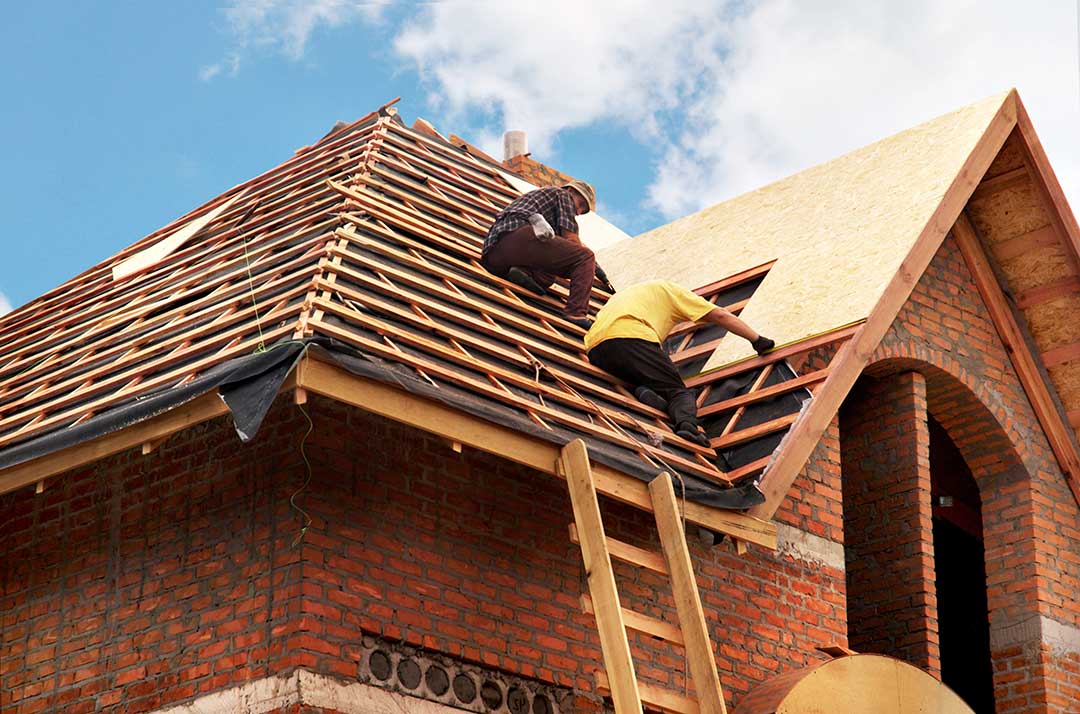
Once preparation is complete, the crew will use specialized tools—such as roofing shovels and pitchforks—to pry up old shingles, nails, underlayment, and flashing. Debris is then carried or thrown—using controlled methods—to a dumpster or truck stationed nearby.
What Kind of Disruption Should Residents Expect?
A tear-off is a noisy, dusty process that typically lasts one to three days for an average home, depending on the roof’s size, pitch, and number of old layers. During this time, residents should expect:
- Continuous hammering and shingle scraping sounds, especially during working hours
- Elevated dust inside and outside the home, particularly near attic vents and windows
- Temporary loss of access to driveways or certain parts of the yard due to the placement of dumpsters, ladders, and materials
Removing vehicles from driveways and keeping pets and children indoors reduces the risk of accidents and dust exposure. On rare occasions, falling debris may trigger minor vibration inside the house—picture frames or wall decor may need to be secured just in case.
Is There a Difference Between Local Roof Tear-Offs and Overlays?
In the Hilton climate, complete tear-offs are generally recommended over overlays, especially for older homes or roofs with more than one shingle layer. Local winters are harsh, with ice dams and significant snow loads. Starting fresh with a tear-off allows crews to inspect and repair the roof deck, check for rot or water damage, and install updated materials that better withstand freeze-thaw cycles. Some building codes in New York also limit the number of shingle layers allowed before a full tear-off is required.
What Surprises Might Arise During the Process?
Unexpected discoveries are possible when the old roof is removed. It’s not uncommon for crews to find hidden deck rot, moisture damage, or evidence of past leaks. In Hilton, homes with heavy ice damming or large shade trees sometimes show localized wood rot along eaves and valleys. Additional repairs to the decking or structure may add cost and time, but these are critical to address before new roofing is installed.
If extensive deck repairs are needed, reputable crews typically inform the homeowner and discuss options before proceeding. Most roofers include a set price for minor wood replacement per standard sheet, but larger structural repairs can significantly impact timing.
What Cleanup and Safety Measures Are Used?
Thorough cleanup is a key part of every tear-off in the community. Crews use magnetic rollers to collect stray nails from lawns, driveways, and flower beds after the project is finished. Tarps are carefully removed so debris doesn’t spread. Homeowners are often advised to inspect high-traffic outdoor areas themselves, as a final check is worthwhile—especially if children or pets use the yard.
During the project, attention to safety is especially high. Ladders and equipment should be securely staged, and reputable crews use harnesses and follow local safety guidelines. Residents should avoid entering the work area until all materials and equipment have been cleared.
What Are Common Misconceptions About Roof Tear-Offs?
Many people believe a tear-off is almost always more expensive than an overlay. While the upfront labor and disposal costs are higher, tear-offs often prevent future problems like leaks or code violations. Another common misconception is that the work can be completed quietly or that all projects finish in a single day. In practice, timeline and impact depend heavily on roof complexity, size, weather, and any unexpected repairs.
Some assume all roofers dispose of old materials responsibly. In the Hilton area, construction waste is regulated, and reputable crews haul debris away for proper sorting and recycling whenever possible.
How Can Homeowners Make Tear-Offs Smoother?
Residents planning for a roof tear-off can reduce hassle by:
- Trimming overhanging branches and moving fragile outdoor items ahead of time
- Clearing attic spaces and covering stored belongings to minimize dust intrusion
- Speaking with neighbors about the duration of work to help maintain good relations
It’s also helpful to keep in touch with the crew leader about timing and any special household concerns, such as medical needs, shift work, or pet sensitivity to noise.
What Happens After the Tear-Off Is Complete?
Once all old roofing material is removed and the deck is inspected and repaired as needed, installation of the new roof proceeds. This stage is generally tidier and less disruptive than the tear-off phase, although some hammering and movement will still be noticeable until completion. Homeowners gain peace of mind knowing the roof’s foundation is sound and ready to protect against the elements common to Hilton’s climate.
