

Why Do Residents in Hilton, NY Need to Consider Roof Financing?
Many households in Hilton, NY face the reality that a new roof can be a significant, often unexpected, home expense. With the region’s seasonal shifts—icy winters and wet springs—roof maintenance and timely replacement are essential. When insurance doesn’t cover full costs, understanding payment options is essential for maintaining safety and property value.
What Are Typical Out-of-Pocket Costs for a New Roof Locally?
A new roof in Hilton can cost thousands to tens of thousands of dollars, depending on factors like roof size, materials used, and required repairs to underlying structures. Asphalt shingles remain common in local neighborhoods, but some homes may use metal, tile, or cedar, each with its own price and installation requirements. Permits and waste disposal add further costs.
Homeowners often underestimate the total, particularly if there’s water damage below shingles, which can raise repair bills. Few households budget for an entire roof replacement, so exploring payment strategies is common.
What Financing Options Do Area Homeowners Commonly Use?
Several standard avenues are available, each with pros and cons depending on home equity, credit, and urgency.
Common financing methods include:
- Personal loans from a bank or credit union
- Home equity loans or home equity lines of credit (HELOCs)
- Credit cards (for part or all of the job)
- Government or nonprofit grants or loans (in select situations)
- Local weatherization or energy-efficiency programs, if certain criteria are met
How Do Personal Loans Work for Roof Replacement?
Personal loans are unsecured, meaning no asset is required as collateral. Approval is typically based on credit score and income. These loans are often used if a homeowner wants to keep the financing process separate from their home itself.
- Advantages: Fast processing, fixed payments, no risk to home ownership.
- Drawbacks: Higher interest rates than secured loans, borrowing limits based on creditworthiness.
Residents in Hilton may use personal loans when quick access to funds is needed, but steady income and reasonable credit are necessary to avoid costly fees or denials.
What Should You Know About Using Home Equity?
A home equity loan or a home equity line of credit (HELOC) can allow homeowners to tap into the value they’ve built in their property. These are secured by the home itself, often resulting in lower interest rates and more predictable payment options.
Differences:
- *Home equity loan*: Lump sum, fixed rate, structured like a second mortgage.
- *HELOC*: Revolving line of credit, similar to a credit card but secured by the house, with a variable rate.
- Advantages: Lower interest, longer repayment terms.
- Risks: Missed payments could lead to foreclosure. Not everyone has enough built-up equity, especially in newer neighborhoods or those still paying off their mortgages.
- Process: Application, home appraisal, and closing costs can take a few weeks.
Can Credit Cards Cover a Roof Replacement?
Credit cards are the least common solution for funding a full new roof, due to high interest rates and potential negative effects on credit scores if balances are not quickly repaid. However, for smaller repairs or as a stopgap until other financing is arranged, they may offer flexibility.
Some homeowners use introductory 0% APR offers, but these should only be considered if repayment before the rate expires is realistic.
Are There Grants, Loans, or Assistance Programs for Local Residents?
Some government-backed programs, nonprofit organizations, or energy-efficiency efforts periodically offer funds for critical home repairs, including roof work. These options are usually targeted:
- Low- to moderate-income households
- Seniors or those with disabilities
- Historic homes or those in designated improvement districts
Local assistance programs change over time and may have waiting lists or strict eligibility requirements. Residents can check the official municipal website or county government pages for current details. Utility-sponsored weatherization programs may also include roofing components if the roof’s condition affects energy efficiency.
What Factors Affect Eligibility and Approval?
Eligibility and approval for most financing options depend on several factors:
- Home equity: For loans tied to the house
- Credit score: Higher scores allow for better rates and more options
- Debt-to-income ratio: Lenders look for manageable monthly payment loads
- Employment and income: Steady income is essential for loan approval
- Timing and urgency: Major leaks or structural risks may require faster solutions
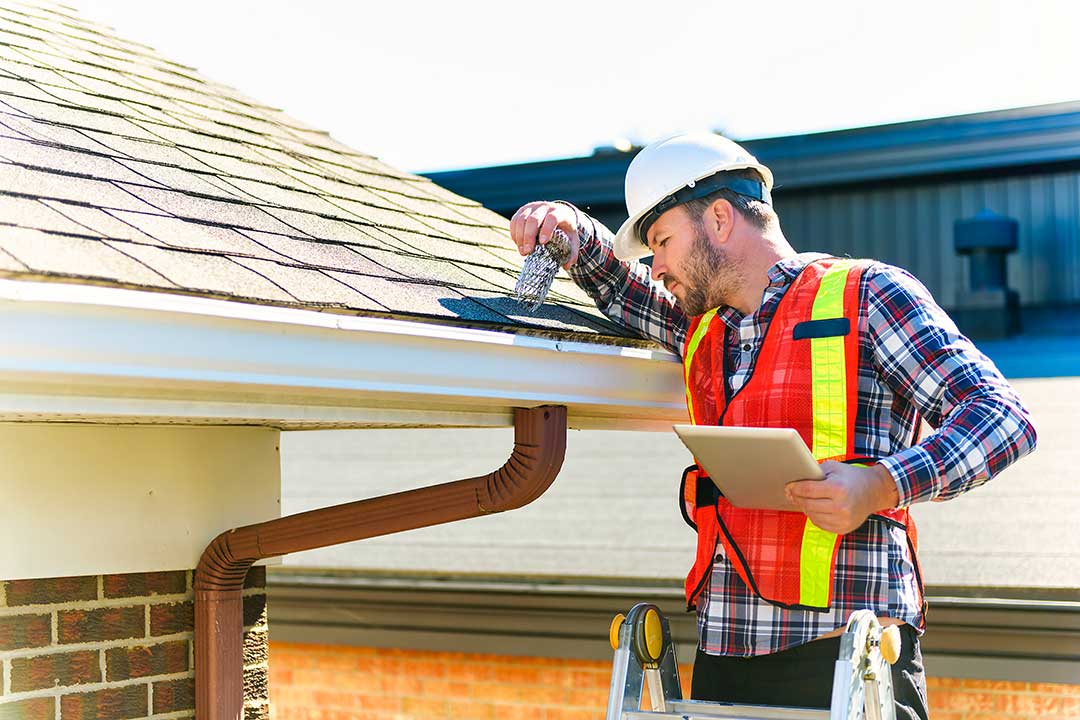
Many homeowners wait too long to seek financing, especially during peak roofing seasons when contractors are busiest and project timelines are tighter.
What Are Common Mistakes or Misconceptions?
One misconception is that home insurance will always pay for a new roof; in practice, most policies only cover damage from specific events, not general aging or wear.
Other common missteps include:
- Assuming credit card payments are manageable without checking future interest rates
- Not considering the impact of new debt on property taxes or resale plans
- Underestimating costs by overlooking hidden damage or code upgrades
Talking to a lender about hypothetical scenarios and reading loan terms closely can prevent surprises.
How Do Local Climate and Seasons Influence Your Decision?
The climate in Hilton can affect both the timing and urgency of roof projects. Winter may bring leaks that worsen quickly; spring is ideal for repairs, but schedules fill fast. Some financing products may offer payment deferrals until after construction, which can be appealing if work is needed urgently but funds are tight.
When planning, consider:
- Whether you’ll need short- or long-term repayment
- How weather may delay or accelerate project urgency and loan processing
What Questions Should You Ask Before Choosing a Financing Method?
It’s helpful for residents to ask:
- How much will the monthly payment be, and for how long?
- What is the total repayable amount, including fees and interest?
- Are there penalties for early repayment?
- Is the interest rate fixed or variable?
- What happens if I miss a payment?
Getting these answers in advance helps avoid trouble down the line.
