
How Do Roof Shapes Change the Look and Feel of Homes in Hilton, NY?
Roof shape is more than just an architectural detail—it plays a major role in how homes look, perform, and function day to day. For households in Hilton, NY, roof design impacts everything from curb appeal to heating bills, rain and snow management, and even local wildlife interactions.
In the city’s typical residential neighborhoods, you’ll spot several styles, each chosen for reasons that blend practical needs with personal taste. The effects of roof shape on home design are often overlooked, but they have lasting consequences for both comfort and aesthetics.
What Are the Most Common Roof Shapes in Local Neighborhoods?
The most frequently seen roof types in Hilton include gable, hip, and occasionally shed or flat roofs. Each of these shapes responds differently to regional climate, lot size, and design traditions.
- Gable roofs are recognized by their classic triangle shape, with two slopes meeting at a peak. This style is especially common in the city and surrounding rural properties.
- Hip roofs have slopes on all four sides, meeting at corners or a central ridge. They’re often chosen for their ability to withstand wind and shed snow evenly.
- Shed roofs (single, sloping planes) are occasionally used on home additions or modern styles.
- Flat roofs are rare but sometimes appear on garages or mid-century homes.
Other, less common shapes—like gambrel, mansard, or butterfly roofs—are usually reserved for specialty buildings or unique design statements.
How Does Roof Shape Impact Snow and Rain in the Region?
Roof shape dramatically affects how precipitation is handled. In Hilton, heavy snowfalls and periods of rain are typical throughout the year. Steeper roof slopes, such as those found on gable and some hip roofs, allow snow and water to slide off more readily. This helps prevent both leaks and excessive weight buildup, reducing the risk of damage.
Flatter roofs may offer a modern appearance but require robust drainage systems, especially to avoid pooling or ice dams along gutters and overhangs. For this reason, area homes with low-pitch designs must pay extra attention to seasonal maintenance.
What Role Does Roof Shape Play in Energy Efficiency and Comfort?
The steepness and complexity of a roof affect how well a home can be insulated and ventilated. Simple gable roofs allow for straightforward attic spaces that are easy to insulate, which helps contain warmth during cold winters. Hip roofs, because of their geometry, often have smaller attics and may be slightly more challenging to ventilate, depending on design details.
The direction and slope of a roof also change how much sunlight the house receives. In the colder months, homes with south-facing rooflines can capture more passive solar energy, slightly reducing heating needs. Homes designed with roof overhangs or dormers can provide additional shading and comfort in summer.
How Do Roof Shapes Influence Curb Appeal and Neighborhood Character?
A home’s roof shape is immediately recognizable from the street, making it a core part of architectural style and identity. In the community, neighborhood associations and local planning boards sometimes influence the shapes allowed in new construction to maintain a consistent street view.
Traditional gable roofs tend to complement the historic feel of older areas. Meanwhile, a dramatic hip or multi-level roof might signal a newer or more custom-built home. Small design details—such as dormers, eaves, and decorative trim—can further personalize a home while still maintaining harmony with nearby properties.
Homeowners sometimes underestimate the effect roof shape can have on perceived property value and the welcome a house offers visitors.
In What Ways Does Roof Shape Affect Maintenance and Longevity?
Some roof shapes require more frequent attention than others. Simple shapes like gables are generally easier and less costly to maintain and repair. Features like valleys (where two slopes meet), visible on more complex designs, can be vulnerable points for leaks or debris buildup.
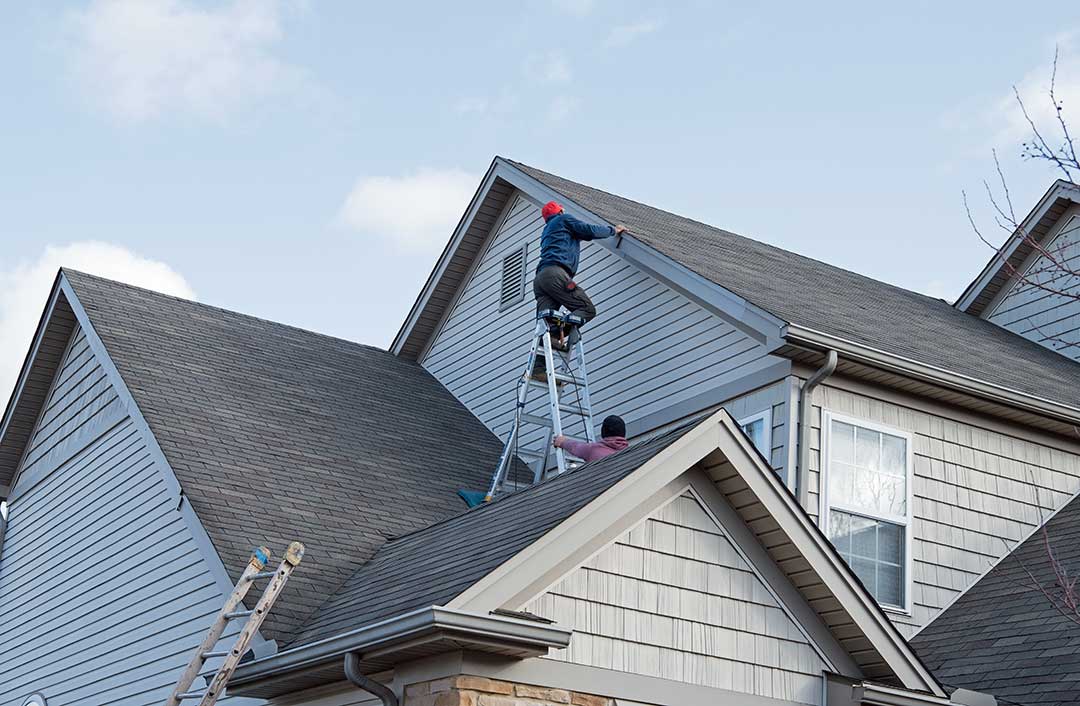
Hip roofs, being more complex structurally, may require careful inspection around corners and where slopes converge. Flat roofs are the most susceptible to standing water, so they demand thorough regular inspections, especially after storms or rapid snowmelt.
Local weather means roofs see a yearly cycle of freeze-thaw, wind, and rain. Homes with complicated shapes often need more proactive care to mitigate wear and address vulnerabilities specific to the roof’s geometry.
Can Roof Shape Change How Usable the Attic or Upper Floors Are?
The form of a roof directly impacts the space directly beneath it. Steeply pitched gables frequently create spacious attics that are usable for storage or even finished living areas. Hip roofs usually have less attic space but can provide a cozier, more sheltering feel upstairs.
For homes thinking of future renovations, roof shape determines what’s possible when converting attics, adding dormers, or installing additional insulation. It’s helpful to consider how the roof’s lines will contour the available headroom, light, and ventilation in these upper areas.
What Are Common Misconceptions About Roof Shape Selection?
A few ideas about roof shape sometimes cause confusion for local homeowners:
- All shapes work equally well in every climate: In reality, the weight of snow load and risk of wind-driven rain make certain shapes better suited to Hilton’s seasons.
- Flat roofs are always cheaper: While materials may sometimes cost less, long-term maintenance and insulation can offset any initial savings.
- More complex roofs automatically look better or raise value: Unique rooflines can boost curb appeal, but more complex designs bring greater construction and upkeep complexity.
Awareness of these misconceptions helps households make informed decisions when updating or modifying their roofs.
How Should Local Residents Approach Roof Shape Changes or Additions?
Residents considering changing or expanding their home’s roof shape should check with local advisors about building codes and neighborhood guidelines. Factors like lot size, sight lines, and even local opinions on home appearance can influence what designs are feasible.
Roof shape isn’t just about personal taste—it can have longstanding impacts on comfort, cost, and the way a home fits into the surrounding community.
