
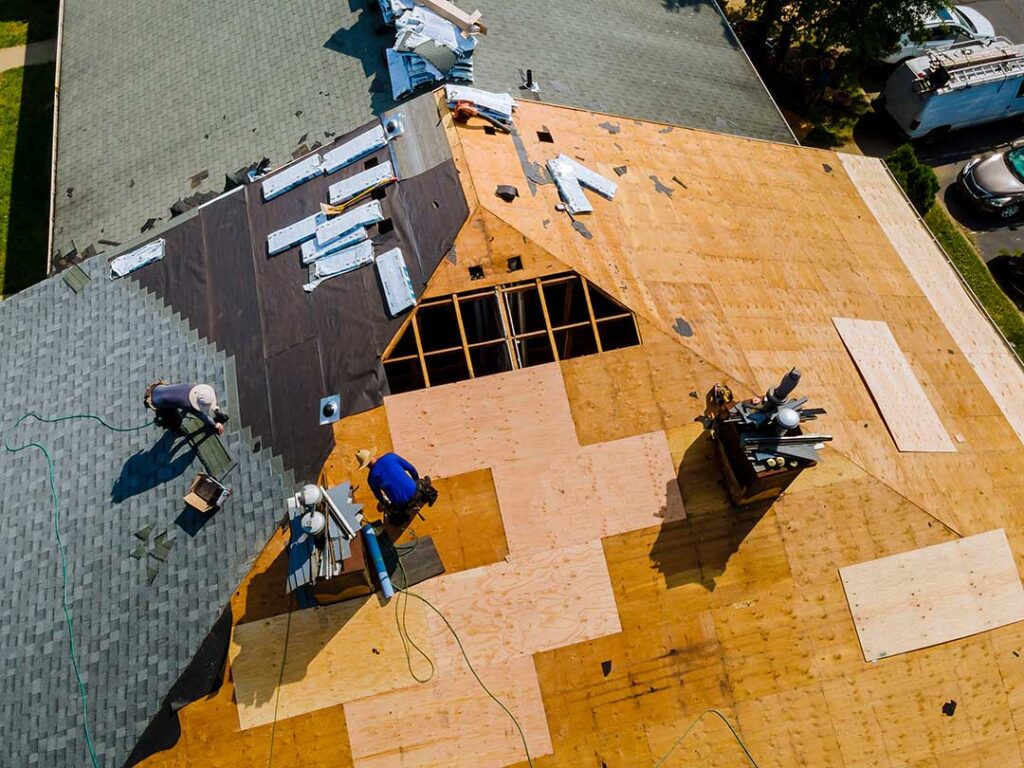
A roof can look new and still have installation defects. Poor workmanship may not cause an immediate leak; problems often appear after heavy rain, winter freezing, strong wind, or repeated temperature changes.
For homeowners in Hilton, NY, early identification matters because roofs must handle snow, ice, wind-driven rain, spring storms, and wide seasonal temperature swings. Understanding what to look for can help distinguish normal aging from problems that began during installation.
What are the clearest signs of poor roof installation?
The most reliable warning signs are recurring leaks, uneven shingle lines, exposed fasteners, inadequate flashing, poor ventilation, and roofing materials that are already lifting or deteriorating soon after installation.
A single missing shingle after severe weather does not automatically prove an installation problem. However, several defects appearing together—especially on a relatively new roof—deserve closer attention.
Common signs include:
- Shingles that are crooked, wavy, buckled, or visibly misaligned
- Roofing edges that do not form straight, consistent lines
- Granules collecting heavily in gutters soon after installation
- Nails or fasteners visible where they should be covered
- Shingles that lift easily in moderate wind
- Flashing that is loose, bent, rusting, or missing around roof openings
- Water stains in attics, ceilings, or upper walls
- Ridge vents or other ventilation components that appear blocked or incomplete
Some defects are visible from the ground, while others require a careful attic or roof-level inspection.
Why do uneven or crooked shingles matter?
Shingle alignment affects both appearance and performance. Shingles installed with inconsistent spacing or incorrect exposure may not shed water as intended, particularly along overlapping joints.
Look for horizontal courses that wander up or down, vertical seams that line up in unusual patterns, or tabs that do not follow a consistent layout. Wavy sections can indicate improper fastening, an uneven roof deck, trapped moisture, or shingles installed before they had adequate time to seal.
A small visual irregularity may be cosmetic. Larger areas of uneven installation can create pathways for wind and water. In cold weather, loose or poorly sealed shingles may be more vulnerable to lifting when wind moves beneath their edges.
Can exposed nails indicate a roofing problem?
Yes. Exposed fasteners are a common installation concern, especially near flashing, roof penetrations, ridge caps, and shingle joints.
Roofing nails are normally placed in locations that allow the next shingle or accessory to cover them. If a nail head remains exposed, water can slowly reach the surrounding material. Over time, this may lead to rust, staining, or leakage.
A few visible fasteners may have been used for temporary repairs or later additions, but repeated exposed nails across the roof suggest inconsistent installation. Interior signs, such as small ceiling stains below those areas, can strengthen the concern.
Do not climb onto a roof to inspect fasteners unless the structure is specifically designed for safe access. A roof surface can be slippery even when it appears dry.
What flashing problems are caused by poor installation?
Flashing directs water away from vulnerable transitions. It is especially important where the roof meets a wall, chimney, vent, skylight, dormer, or other change in surface.
Poorly installed flashing may be:
- Loose or visibly separated from the surface
- Covered only with excessive sealant instead of properly fitted metal
- Missing at roof-to-wall intersections
- Installed beneath materials that should overlap it
- Bent, cracked, rusted, or fastened in a way that prevents movement
- Surrounded by gaps or exposed underlayment
Sealant can help with some details, but it is not a substitute for correctly layered flashing. Sealants can shrink, crack, or separate as temperatures change. In a climate with freezing winters and hot summer sun, movement at these transitions can expose weak installation practices.
Leaks near a chimney, wall, or roof opening may not appear directly below the defect. Water can travel along framing before becoming visible inside the home.
How can poor ventilation affect a newly installed roof?
Inadequate attic ventilation can shorten roof life and contribute to moisture damage. It may also cause problems that are mistaken for defective shingles.
A properly functioning attic generally needs balanced intake and exhaust airflow. Intake openings allow outside air to enter near the lower roof edge, while exhaust openings release warm, moist air higher in the roof system. Blocking one side, installing too little ventilation, or creating an unbalanced system can trap heat and moisture.
Warning signs include:
- Frost or damp insulation in the attic during cold weather
- Mold-like staining on roof sheathing
- Rusted nails or damp wood
- Excessive heat in the attic during summer
- Ice buildup along roof edges during winter
- Shingles aging faster than expected
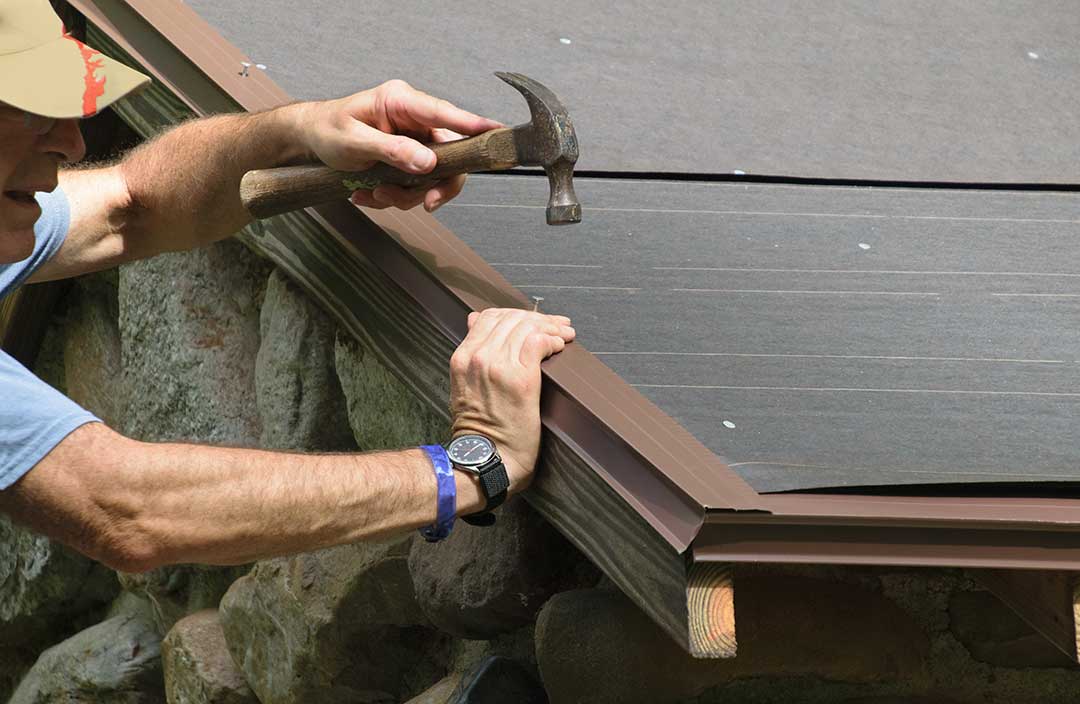
Ice dams are influenced by insulation, air leakage, snow, and weather conditions, so they do not automatically prove poor roof installation. However, repeated ice problems after a roof replacement may justify examining the entire roof and attic system rather than focusing only on the shingles.
What does inadequate underlayment look like?
Underlayment provides an additional water-resistant layer beneath the shingles. It is particularly useful when wind-driven rain or melting snow moves beneath the outer roofing surface.
Poor installation may involve missing underlayment, insufficient overlap, damaged material, or improper treatment around valleys and penetrations. These problems are usually hidden after the roof is completed, so evidence often appears indirectly through leaks.
Valleys are especially sensitive because they collect and channel large amounts of water. Staining near valleys, repeated leaks after heavy rain, or visible gaps in exposed areas may indicate problems with the underlying layers.
A roof can have intact shingles and still leak because the underlayment or flashing beneath them was installed incorrectly.
Are leaks in a new roof always caused by bad installation?
Not always. A new roof may leak because of storm damage, a plumbing or heating vent, condensation, an old section that was not replaced, or water entering through an adjacent wall or structure.
Still, recurring leaks shortly after installation deserve careful investigation. The location and timing provide useful clues:
- Leaks that begin during the first substantial rainfall may point to flashing or installation defects.
- Leaks that occur only during strong wind may involve lifted shingles, exposed seams, or inadequate edge fastening.
- Moisture that appears during cold weather may relate to condensation, ventilation, or ice dams.
- A stain that grows slowly may indicate a small flashing or penetration problem.
The visible ceiling mark is often not the entry point. Tracing moisture through the attic and roof assembly is more reliable than repairing only the interior stain.
What should homeowners check after a roof replacement?
A basic ground-level review can identify obvious concerns without creating fall hazards. Examine the roof from the yard and look for inconsistent shingle lines, missing components, sagging areas, or loose material.
After a storm, inspect the ground for unusually large amounts of shingle granules, metal fragments, or roofing pieces. Check attic spaces for damp insulation, daylight through the roof deck, stained wood, or musty odors. Interior ceilings and upper walls should also be watched for new discoloration.
Keep records of installation dates, weather events, repairs, and photographs. This information can help separate normal storm damage from defects that have existed since the roof was installed.
If there is active leaking, sagging, exposed electrical equipment, or visible structural damage, avoid entering the affected area and treat the condition as a safety issue. Water and electricity can create hazards even when the leak appears minor.
How long should installation concerns remain relevant?
Installation defects can remain hidden for months or years, but they often become noticeable during the first seasons of heavy weather. A roof may perform adequately through a mild period and then show weaknesses during repeated freeze-thaw cycles, strong wind, or prolonged rain.
A roof’s age alone does not prove quality. Likewise, a clean appearance does not rule out problems beneath the shingles. The most useful evaluation considers the complete system: shingles, fasteners, flashing, underlayment, ventilation, drainage, and the condition of the roof deck.
Understanding these components helps homeowners ask more precise questions and recognize when a roof problem is likely related to installation rather than ordinary wear.
