
What Is Roof Decking and Why Does It Matter?
Roof decking, sometimes called sheathing, is the layer of material laid over the rafters or trusses of a house, serving as the foundation for shingles or other roofing coverings. For Hilton, NY residents, understanding this essential layer helps clarify how their roofs protect them from the region’s heavy snow, rainfall, and seasonal temperature swings.
Historically, roof decking in this region has been wood-based, but other materials exist. It’s often hidden from view, but its role is crucial: it ties the roof structure together, supports roof coverings, and helps keep water, wind, and debris out of local homes.
Which Materials Are Common for Roof Decking in the City?
Most Hilton homes feature roof decking made from plywood or oriented strand board (OSB), due to their weather resistance and strength.
- Plywood – Traditionally made from thin layers of wood veneer glued together, plywood is tough, handles moisture well, and is a staple in area construction dating back decades.
- OSB (Oriented Strand Board) – This engineered product is made from wood strands and adhesives, pressed into panels. It’s more affordable than plywood and is widely used in newer home builds locally.
- Less common alternatives include solid wood planks (older homes), or specialized products for flat roofs or unique building codes.
For Hilton’s often humid summers and snowy winters, both plywood and OSB are routinely selected to balance cost, weight, and durability. The type may vary based on age of the house and any prior roof replacements.
How Can Residents Identify Problems with Roof Decking?
Roof decking issues aren’t always easy to spot. The boards or panels are usually hidden under layers of shingles and felt. However, there are a few signals and seasonal warning signs that Hilton homeowners can watch for:
- Sagging or uneven roof lines after a typical winter
- Spongy or soft spots in the roof when walked on (not recommended without proper safety gear)
- Leaks or stains in the attic after storms or when ice dams form
- Visible water damage or mold growth on attic-facing surfaces
- Nail pops, where fasteners push up through the roofing materials
In homes with attic access, a quick check for musty smells, visible light through decking on sunny days, or wet insulation can suggest hidden problems. If left unaddressed, damaged decking impacts the effectiveness of any roof repairs and can even lead to structural issues.
How Do Weather and Local Conditions Affect Roof Decking?
The climate in Hilton subjects roofs to freeze-thaw cycles, wet springs, humid summers, and heavy winter snow loads. Each factor can affect the lifespan and condition of decking:
- Moisture from melting snow or wind-driven rain can seep through any roof leaks, causing wood-based decking to swell, warp, or develop rot and mold over time.
- Ice Dams are common in the area during winter. These can force water backward under shingles, soaking the decking below.
- Humidity in the summer encourages mold and mildew growth, especially if attic ventilation is inadequate.
- Heavy Snow compresses the roof structure. Decking with hidden weaknesses may start to sag, making it more vulnerable to water intrusion during spring melt.
Routine observation—especially after storms or heavy snows—can help catch these problems before they spread.
What Happens If Roof Decking Is Damaged?
Damage to the roof decking can lead to several issues for local households:
- Reduces the roof’s ability to support the shingles, tiles, or metal panels above
- Can create uneven surfaces that water can pool on, leading to leaks
- Encourages further damage to insulation, rafters, and even interior ceilings
- Increases the risk of mold, mildew, and pests in attic spaces
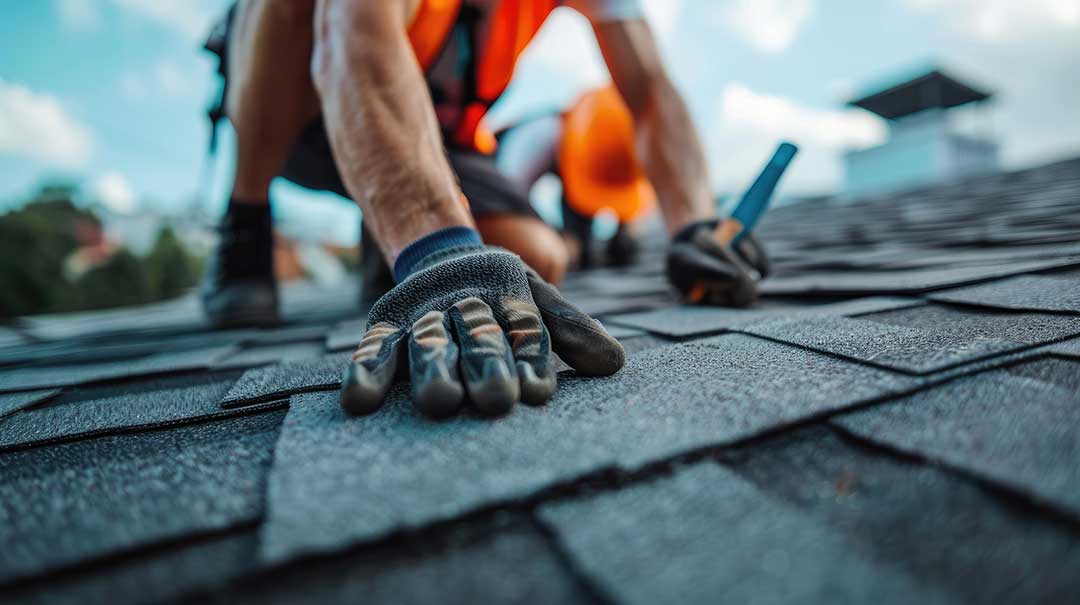
For many in Hilton, modern roofing guidelines require that any deteriorated decking be replaced during major roof repairs, both for safety and to comply with local building codes.
Are There Building Standards or Codes for Roof Decking in the Area?
In Hilton, roof decking must usually adhere to New York State building standards. These specify things like:
- Minimum thickness for panels based on their spacing
- Fastener types and spacing to prevent panels from shifting or lifting in high-wind events
- Allowable types of decking for different roof structures (e.g., slopes, loads, and materials)
Any repair or replacement should follow these rules to ensure the roof continues to perform under local weather conditions and passes any home inspections. Homeowners planning major renovations or changes should check current local guidelines or speak with the Hilton municipal building department for the latest requirements.
What Should Residents Know About Roof Decking Maintenance and Longevity?
Good attic ventilation and insulation, regular gutter cleaning, and monitoring for roof leaks are the main ways local residents can protect their decking’s lifespan:
- Check for leaks after every major storm or spring snow melt
- Keep attic insulation dry to reduce condensation on the underside of decking
- Clear gutters and downspouts so water drains properly and doesn’t back up onto the roof edge
- Inspect from inside when accessible, looking for stains, rot, or sagging panels
Modern roof decking, if installed correctly and kept dry, should last as long as the shingles above it—but underlying problems can dramatically shorten its life.
Common Misconceptions About Roof Decking in Hilton
Many homeowners assume that roof damage is only ever caused by old shingles or missing tiles, but the supporting decks are often to blame for ongoing roof problems. Covering up leaks or simply adding new shingles over rotted boards rarely solves the underlying issue.
There’s also a misconception that all new roofs get brand-new decking. In fact, reputable installers will reuse decking if it’s still solid and meets current code, replacing only the compromised sections.
Finally, some residents think roof decking choices are all essentially the same. The reality: local climate, roof design, attic ventilation, and even the home’s location on a wet or shady lot can affect which material is best and how long it will last.
