
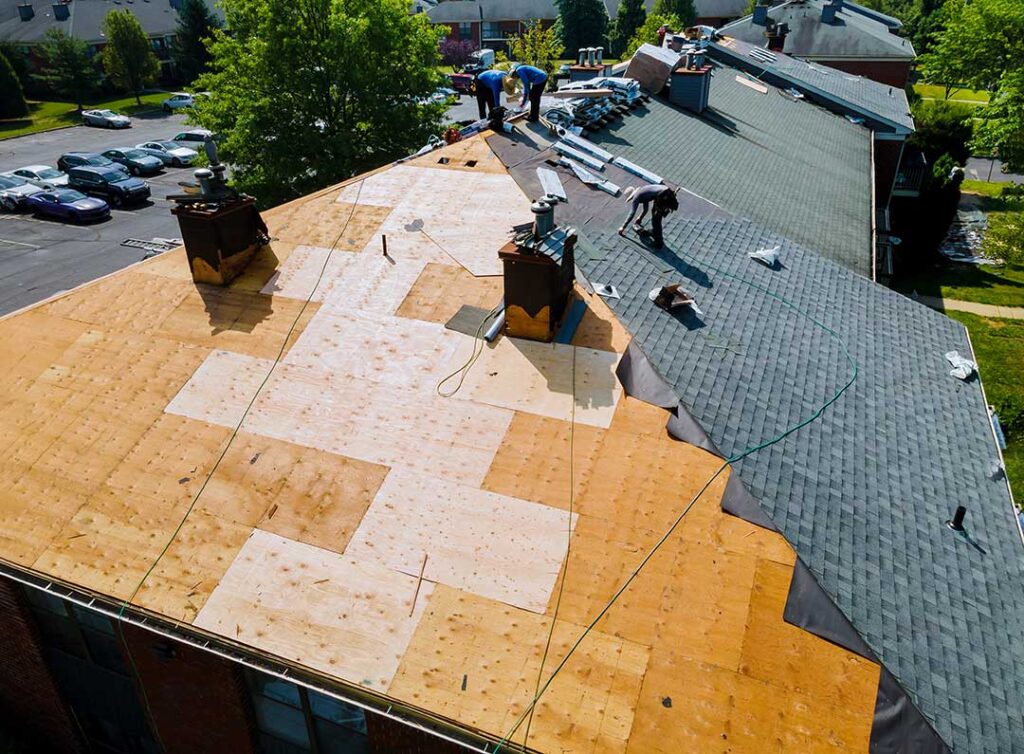
A cool roof is designed to reflect more sunlight and absorb less heat than a conventional dark roof. For households in Hilton, NY, this can reduce summertime roof temperatures, improve comfort in upper rooms, and sometimes lower cooling demand.
Cool roofing is not a single material. It is a performance approach that can include reflective shingles, coated metal roofing, reflective membranes, and other roof products with higher solar reflectance and thermal emittance.
What makes a roof “cool”?
A cool roof manages solar energy in two ways: it reflects a greater portion of sunlight and releases absorbed heat more effectively.
Traditional dark roofing can become much hotter than the surrounding air on a sunny summer afternoon. A reflective roof surface stays cooler because less solar energy is converted into heat. The roof’s color matters, but the material’s construction and surface rating matter as well.
Cool-roof performance is commonly evaluated using:
- Solar reflectance: How much sunlight the surface reflects.
- Thermal emittance: How effectively the surface releases heat it has absorbed.
- Solar reflectance index: A combined measure used to compare how hot different roofing surfaces may become.
A light-colored roof is not automatically a high-performing cool roof, and some darker products are engineered to reflect more infrared energy than ordinary dark roofing. Product specifications provide more useful information than color alone.
Can a cool roof reduce indoor temperatures?
Yes, especially in rooms directly below the roof. A cooler roof deck transfers less heat into the attic and upper parts of the home. This may make second-floor rooms more comfortable during sunny weather and reduce the amount of time an air conditioner needs to operate.
The effect depends on the entire roof assembly. A reflective surface helps most when paired with:
- Adequate attic insulation
- Proper ventilation
- Air sealing around ceiling penetrations
- Reasonable solar exposure
- A roof structure in sound condition
If an attic has insufficient insulation or major air leaks, changing the roof covering alone may not produce a noticeable indoor improvement. Heat can still enter through the ceiling, and conditioned air can still escape into the attic.
How can cool roofing affect energy use?
A cool roof may reduce summer cooling demand by limiting heat gain through the roof. The savings are generally greater in buildings with low insulation levels, large roof areas, strong sun exposure, or rooms located immediately below the roof.
For homes in this region, the annual energy effect can be more complicated than a simple summer-savings calculation. The community experiences warm, humid summers as well as cold winters. A roof that reflects more sunlight may reduce summer heat gain, but it does not replace proper insulation or air sealing during the heating season.
The most practical approach is to evaluate the roof as part of the whole building envelope. A highly reflective surface may be useful, but insulation, ventilation, windows, shading, and heating and cooling equipment all influence household energy use.
Are cool roofs useful in a colder climate?
They can be, but the benefits and tradeoffs differ from those in very hot climates. During winter, a roof’s main job is to protect the structure and retain conditioned indoor air through the insulated ceiling or attic floor. Solar heat entering through the roof is not a dependable substitute for insulation, and winter sunlight is limited by shorter days, cloud cover, and the angle of the sun.
A cool roof may still make sense when:
- The home has meaningful summer cooling needs.
- Upper rooms become uncomfortably warm.
- The roof has a large, sun-exposed area.
- The chosen material provides other needed qualities, such as durability and moisture resistance.
- The attic and ceiling insulation are already reasonably effective.
For a home with little or no air conditioning, the energy savings may be modest. In that situation, roof condition, ventilation, insulation, and resistance to snow, wind, and moisture may be more important selection factors.
Does a cool roof last longer?
Lower surface temperatures can reduce some forms of thermal stress. Repeated heating and cooling cause roofing materials to expand and contract, and lower peak temperatures may reduce that strain over time. Reflective surfaces can also help limit heat-related aging in certain roofing products.
Longevity is not guaranteed, however. Roof life also depends on:
- Material quality and installation
- Drainage and flashing details
- Ice, snow, and wind exposure
- Foot traffic and maintenance
- Moisture trapped beneath the roofing
- Ventilation and attic humidity
- The slope and design of the roof
A cool roof with poor drainage or damaged flashing will still develop problems. Reflectivity is one performance characteristic, not a complete measure of roof quality.
What are the environmental benefits?
By reducing heat absorption, cool roofs can lower the amount of electricity used for air conditioning during hot weather. At a larger scale, widespread use of reflective roofs can reduce heat buildup in developed areas, particularly where many buildings, paved surfaces, and limited shade combine to create warmer conditions.
The environmental benefit depends on the roof’s full life cycle. Manufacturing, transportation, installation, maintenance, replacement, and disposal all require materials and energy. A roof that lasts longer and avoids premature replacement may provide a greater overall benefit than a highly reflective product that needs frequent replacement.
Light-colored or reflective surfaces may also reduce localized heat around a building. That effect is generally more noticeable across many roofs rather than from a single home by itself.
Are there disadvantages or limitations?
Cool roofs are not suitable for every roof design or household. Reflective materials may produce less winter solar gain, although that effect is often smaller than the influence of insulation and air leakage. Some products may have higher upfront costs, and appearance restrictions or neighborhood rules may limit available options.
Other considerations include:
- Snow and ice: Reflective performance does not prevent snow accumulation or ice-related drainage problems.
- Debris and staining: Dirt, algae, and organic debris can reduce reflectivity.
- Roof slope: Low-slope and steep-slope roofs use different materials and drainage strategies.
- Existing damage: A new reflective coating cannot correct widespread structural deterioration.
- Moisture: Coatings or new membranes must be compatible with the roof system and applied to a dry, sound surface.
- Glare: In certain locations, highly reflective surfaces could create unwanted reflected light.
The best choice depends on the roof’s condition, slope, ventilation, insulation, exposure, and expected service life.
Can a cool roof be added to an existing roof?
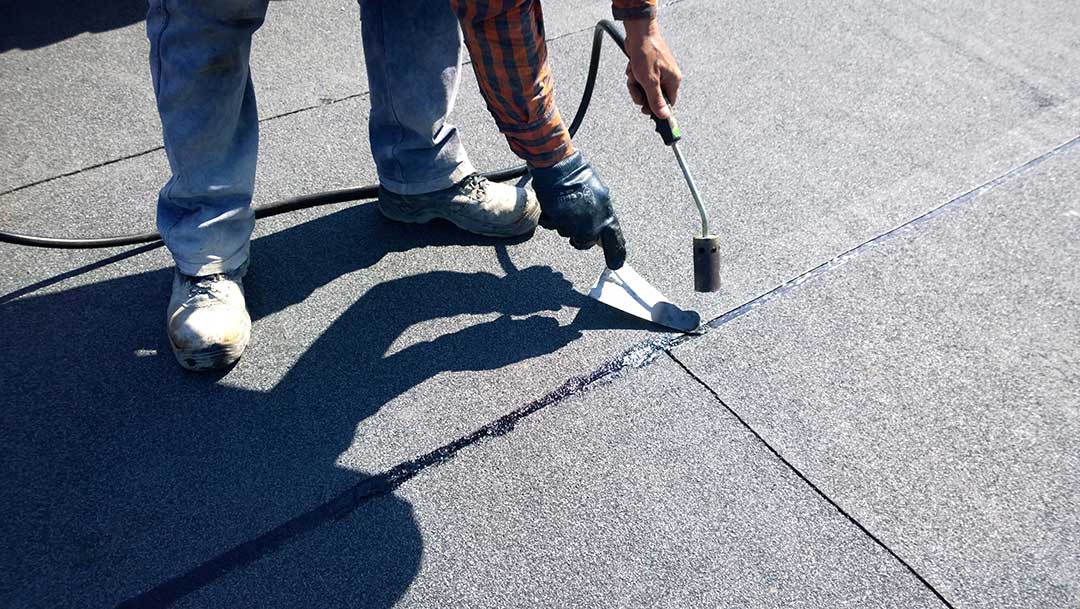
Sometimes. Options may include replacing the roof covering with a reflective product or applying a compatible coating to certain low-slope roof systems. Coatings are not appropriate for every shingle, membrane, or damaged surface, and they must be installed according to the product’s requirements.
Before considering a reflective upgrade, the roof should be evaluated for leaks, soft decking, deteriorated flashing, poor drainage, and trapped moisture. Adding a coating over unresolved defects can conceal problems rather than solve them.
If the existing roof is near the end of its service life, combining replacement with improvements to insulation and ventilation may provide a more predictable result than applying a surface treatment alone.
How should homeowners compare cool-roof options?
Start with the building’s actual needs rather than assuming that the most reflective product is automatically the best choice. Useful questions include:
- How much of the home’s cooling demand comes from the attic or upper floor?
- Is the attic properly insulated and ventilated?
- Does the roof receive strong afternoon sun?
- Is the roof steep-slope or low-slope?
- How will the material perform under snow, wind, moisture, and temperature changes?
- What maintenance is needed to preserve its reflective properties?
- Is the roof structurally sound enough for the proposed system?
- What are the product’s expected service life and documented performance ratings?
For residents in Hilton, seasonal weather makes moisture management, secure flashing, ventilation, and resistance to freeze-thaw conditions especially relevant. A cool roof can be a useful part of a roofing strategy, but its value is greatest when it is matched to the home’s construction and maintained as part of the complete roof system.
