
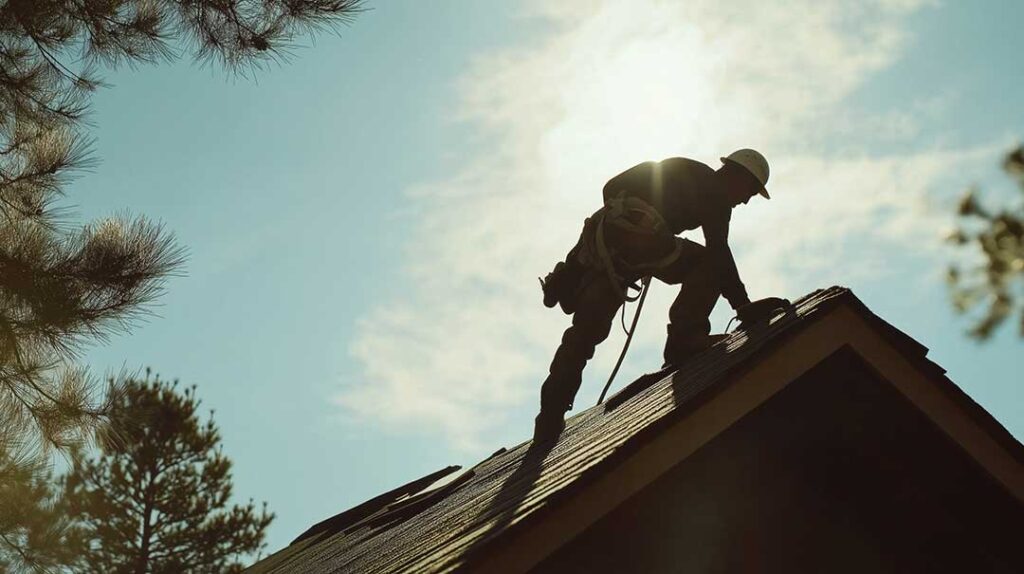
What Small Roofing Issues Do Local Households Often Overlook?
Even minor damage, like a missing shingle or a tiny leak, can escalate quickly in the climate found in Hilton, NY. Residents sometimes ignore these because the problem seems minor or isn't causing noticeable water inside the home yet. Small leaks can let water under the shingles, causing ice dams in winter or mold in attic spaces.
A common misconception is that issues that aren't visible from the ground can wait. Wind and storms common to the area may lift shingles just enough to allow water intrusion, which might not become obvious until damage is extensive. Regular roof checks, especially after strong storms or heavy snow, help avoid this pitfall.
Should You Walk on Your Own Roof?
Walking on any roof is riskier than many realize, especially on older or weather-worn surfaces. Shingles in this region can become loose or brittle with freeze-thaw cycles, making slips more likely. Puncturing or cracking shingles unwittingly while checking a problem can create several new leaks.
Additionally, weight can damage certain roofing materials or disturb their sealing, requiring more repair. If inspection is necessary, visual checks from the ground with binoculars, or from a secured ladder, are safer for most local residents.
Is Mismatched Shingle Replacement a Problem?
Swapping out a damaged shingle or section with whatever is on hand may seem like a quick fix, but mismatch issues aren’t just cosmetic. Roofing materials age differently, and using a different batch, style, or material can allow water to seep between seams. This is particularly relevant to older homes in the community that may have unique or now-discontinued shingles.
Color inconsistencies may not affect function in the short term, but mixed types or improper fittings can compromise water resistance. Even when shingle shapes look similar, different manufacturers’ products are often not interchangeable. Matching as closely as possible is best for appearance and protection.
Why Do Some Home Repairs Fail to Fix Leaks?
Patching the area where water drips inside doesn't always address the root cause. Water can travel along beams and joists before becoming visible inside, especially after winter thaw or heavy rain. Focusing only on the wet spot inside can lead to missed damage higher up on the roof or elsewhere.
Another frequent error is using caulk or roofing cement as a sole solution without addressing underlying shingle, flashing, or underlayment problems. These sealants are only short-term fixes and break down under temperature swings. Reliable leak repair usually requires removing and replacing damaged materials, not just sealing over them.
What Role Does Flashing Play and How Do DIYers Go Wrong?
Flashing, the thin metal installed around chimneys, vents, skylights, and along roof edges, is critical in preventing leaks at these vulnerable junctions. Improperly placed or reused old flashing allows water infiltration, especially during windy or freezing weather typical in Hilton.
Common errors include:
- Failing to fit the flashing tightly
- Overlapping incorrectly, leaving gaps
- Not sealing nail holes
- Attempting to reuse corroded or misshapen pieces
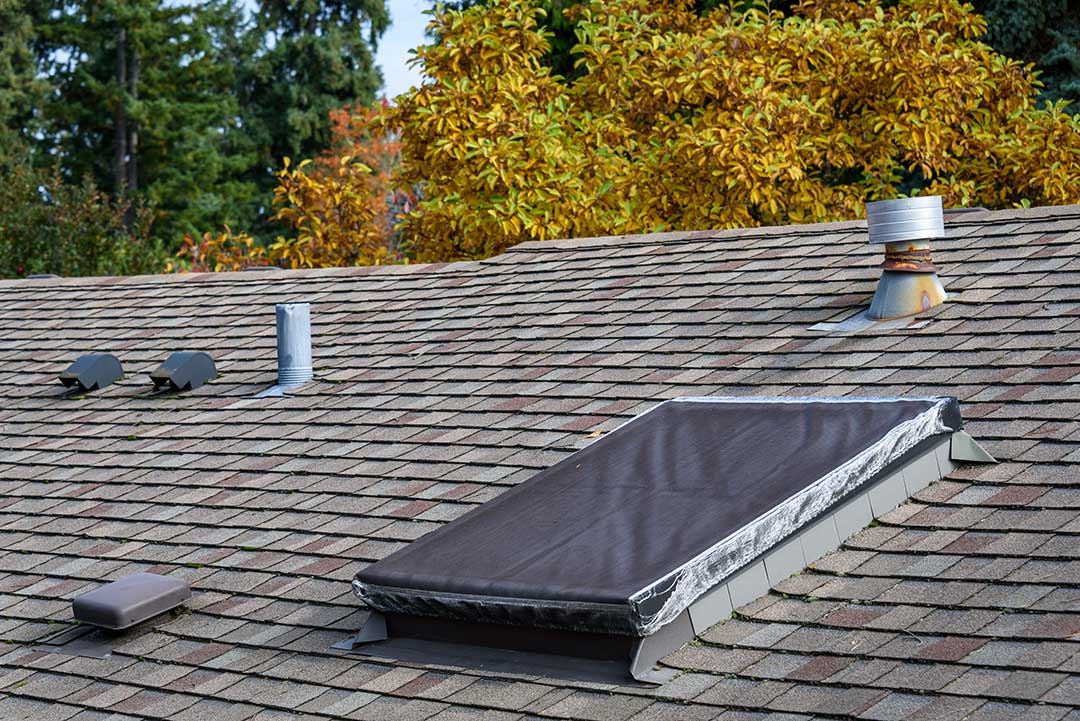
Flashing should be installed snugly and correctly layered to direct water away from openings and seams. Tarring or caulking over gaps is not a substitute for properly applied flashing.
How Does Improper Attic Ventilation Affect Roofing Repairs?
Attic ventilation is just as important as shingle condition when addressing roof problems, but it often goes overlooked. In the variable climate experienced by community households, poor ventilation can cause ice dams in winter and excess moisture in summer, both of which worsen roof damage.
Ventilation problems might remain unnoticed until repairs are attempted. Sealing roof leaks or swapping deteriorated decking without improving airflow means moisture can build up beneath the roof, causing new leaks, wood rot, or mold. This mistake can make necessary repairs less effective over the long term.
Can Excessive Layering of Roofing Materials Cause Issues?
Adding a new layer of shingles over existing ones to save on removal costs is a tempting shortcut. However, this can cover up underlying rot or damage, making future leaks harder to trace. Local roofs, particularly on older or previously repaired homes, may already have one or more layers, adding excess weight over time.
Roofing codes and standards can also restrict the number of allowable layers due to structural safety. Ignoring this not only risks leaks and sagging but can create problems if the roof ever needs further repairs or replacement.
When Should a Roof Repair Be Stopped for Safety?
Attempting repairs during icy, rainy, or windy conditions poses immediate safety risks and often leads to rushed, incomplete jobs. Even with basic DIY skills, tools may slip, shingles may not adhere properly, or ladders can become unstable in poor weather.
If the roof is steep, excessively high, or visibly unstable, work should be paused until conditions improve or additional safety measures are taken. Safety must always come first — falls remain a top cause of injuries related to home repairs.
